
Why are some plastic chairs stackable and incredibly lightweight, while others are heavy, sturdy, and rock-solid? The difference lies far beyond design and thickness; the real secret lies in the plastic material itself. Want to avoid being overwhelmed by choices? Then take a few minutes to look at this guide to plastic with us!
What Kind of Plastic Are Plastic Tables Made Of?
Plastic tables and chairs are not made of the same material. Different performance requirements dictate that they are made of different engineering plastics. Common engineering plastics include polypropylene (PP), high-density polyethylene (HDPE), polyvinyl chloride (PVC), ABS resin, and polycarbonate (PC). These materials together form a clear performance spectrum, with significant differences in hardness, toughness, heat resistance, and price.
Polypropylene (PP)

In the field of indoor plastic tables and chairs, polypropylene (PP) is undoubtedly one of the most widely used and cost-effective choices. As a semi-crystalline thermoplastic, its most prominent characteristic is its excellent fatigue resistance, meaning it can withstand repeated bending. Its advantages include lightweight, chemical resistance, and food-grade properties. Tables and chairs inevitably experience pressure and bending during use, and PP material ensures long-term durability and resistance to breakage, making it particularly suitable for chair backs and seats. PP’s low density makes tables and chairs lightweight, facilitating handling and stacking.
However, its low-temperature brittleness and UV resistance are generally its drawbacks. At low temperatures, PP’s toughness decreases, becoming brittle and easily broken by impact. Prolonged exposure to sunlight leads to aging, embrittlement, and fading. Therefore, pure PP tables and chairs are primarily used indoors.
The most common applications of polypropylene include office chairs, conference chairs, school classroom seating, stackable chairs in fast-food restaurants, and dining chairs in homes.
High-Density Polyethylene (HDPE)
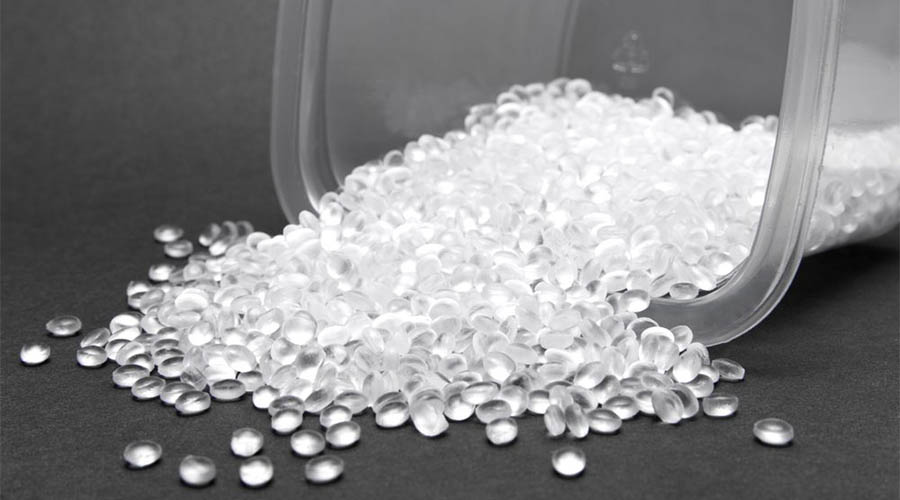
High-density polyethylene (HDPE) is a highly crystalline, non-polar thermoplastic resin renowned for its excellent impact resistance and weather resistance.
High strength, high toughness, excellent weather resistance, moisture resistance, corrosion resistance, and environmental recyclability are the most prominent characteristics of HDPE. HDPE has high impact strength and maintains good toughness even at low temperatures, making it resistant to breakage. Its strong UV resistance and moisture resistance make it ideal for outdoor applications such as park benches and outdoor tables and chairs. HDPE is resistant to aging and cracking and is one of the most common plastics in recycling systems, demonstrating excellent environmental performance.
However, HDPE’s disadvantages include relatively low temperature resistance; its heat distortion temperature is also low, so it should not be exposed to excessively hot objects.
The most common applications of HDPE include outdoor tables and chairs, park benches, laboratory furniture, and children’s playground equipment.
Polyvinyl Chloride(PVC)

Polyvinyl chloride (PVC) is a versatile plastic that can be molded into various shapes, from rigid to flexible, by adding different additives. In the table and chair manufacturing industry, it is primarily found in the form of rigid PVC (UPVC). Rigid PVC possesses extremely high hardness and strength, similar to wood, and can be used to manufacture load-bearing structural components such as table legs and frames. Flame retardancy, chemical resistance, and low cost are also advantages of PVC.
Its disadvantages include poor heat resistance and moderate impact resistance. Environmental controversies surrounding PVC production and use (such as chlorine content and additive migration) limit its application in certain areas. Common uses of PVC include manufacturing support frames for tables and chairs, profiles for imitation wood tables and chairs, or combining it with other materials to create composite materials.
Acrylonitrile Butadiene Styrene(ABS)

ABS is a polymer copolymerized from acrylonitrile, butadiene, and styrene, perfectly combining the properties of these three materials: the strength of acrylonitrile, the toughness of butadiene, and the processability and smoothness of styrene.
ABS is renowned for its “hard yet not brittle, tough yet not soft” properties, exhibiting excellent impact resistance and surface hardness. Hardness is a key factor in its superior overall performance. Furthermore, ABS has a high surface gloss, making it easy to process into brightly colored, smooth, and glossy products.
Long-term outdoor use requires the addition of UV stabilizers; otherwise, ABS is prone to fading and aging. It produces black smoke when burned. Its cost is relatively high, more expensive than PP and HDPE.
The most common applications of ABS include gaming chairs, office chair shells, modern fashion furniture, toy tables and chairs (such as Lego sets), and suitcase-style tables.
Polycarbonate (PC)
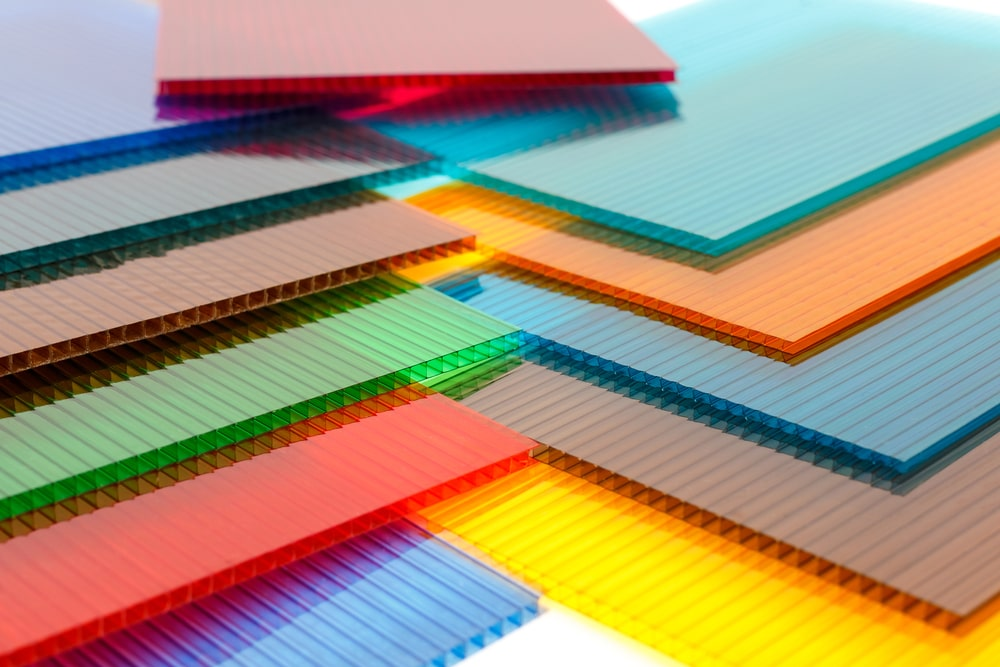
Polycarbonate (PC) is a high-performance amorphous thermoplastic engineering plastic, renowned for its unparalleled impact strength and transparency. PC is one of the most impact-resistant thermoplastics, far surpassing ABS, earning it the nickname “unbreakable plastic.” It is ideal for manufacturing tables and chairs requiring extremely high safety, offering high strength and rigidity while maintaining excellent load-bearing capacity. Due to its unique material composition, PC is one of the most expensive materials compared to others.
Common applications for PC include high-end outdoor tables and chairs, public seating requiring extremely high durability and safety (such as stadium seating), transparent design furniture, and special tables and chairs resembling riot shields.
How to choose plastics table material
When choosing plastic tables and chairs, understanding their materials and application scenarios is key to making an informed decision.
For cost-effectiveness and indoor durability, PP is the first choice.
For outdoor environments, HDPE wins with its superior weather resistance.
For a rigid structural frame, consider PVC.
For excellent overall performance and a pleasing appearance, ABS performs exceptionally well.
For those with extreme requirements for safety and strength, and a sufficient budget, PC is the top choice.
summary
In short, from economical and practical PP, to tough and weather-resistant HDPE, to high-strength PVC, comprehensive performance ABS, and top-of-the-line safety PC, each material plays an irreplaceable role in its suitable field. Next time you’re shopping, consider your intended use and core needs; you’ll find the perfect match.
And regardless of the material and design of your plastic tables and chairs, Ai-Cathlon, as a professional supplier, offers reliable and diverse options.